Medical Assistant Certification Online vs. In-Person: What Tuscaloosa Students Should Know
Searching for “medical assistant certification online” returns thousands of results — but the reality behind those results matters more than the marketing. Some programs deliver genuine, employer-recognized credentials. Others sell certificates that hiring managers don’t take seriously. And a few promising options combine the flexibility of online learning with the hands-on practice that clinical skills actually require.
Here’s an honest breakdown of what online medical assistant certification means, how it compares to in-person training, and what students in Tuscaloosa should consider before choosing a path.
What “Medical Assistant Certification Online” Actually Means
The phrase “medical assistant certification online” can refer to two very different things:
1. Online training programs that prepare you for a certification exam
These are educational programs — courses, assignments, and instruction delivered through a virtual platform — designed to prepare you for a nationally recognized certification exam like the CCMA (Certified Clinical Medical Assistant). You complete the coursework online, then take the exam separately.
2. Online-only certificate programs
Some programs offer their own “certificate of completion” upon finishing an online course. These are not the same as nationally recognized certifications like CCMA, CMA, or RMA. Employers know the difference.
The distinction matters. Hiring managers care about certifications issued by recognized organizations (NHA, AAMA, AMT) after you pass a standardized exam. A certificate from an unaccredited online-only program carries significantly less weight.
The Challenge With Fully Online Medical Assistant Training
Medical assisting is a hands-on clinical profession. On any given day, you might draw blood, administer an injection, run an EKG, take vitals, sterilize instruments, or assist during a procedure. These are physical skills that require practice under supervision.
Here’s what fully online training can teach you:
- Medical terminology
- Anatomy and physiology fundamentals
- Healthcare law and ethics (HIPAA, OSHA)
- Insurance and billing concepts
- EHR documentation principles
- Pharmacology basics
Here’s what fully online training cannot teach you:
- Venipuncture technique and needle insertion feel
- Proper injection administration (IM, SubQ, intradermal)
- EKG lead placement on a real person
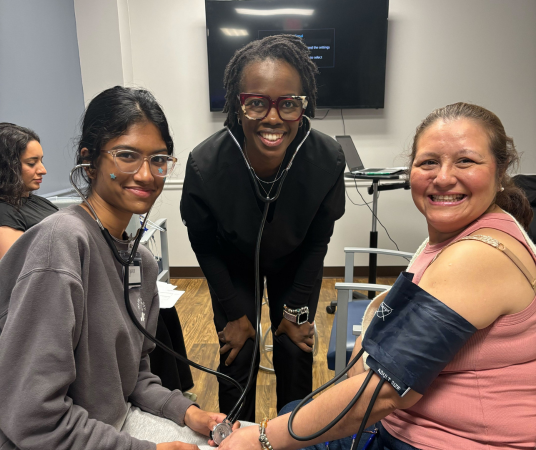
- Blood pressure measurement by auscultation
- Sterile technique and instrument handling
- Patient communication in a clinical setting
This gap is why many employers are skeptical of candidates who trained exclusively online. They need to know you can actually perform the physical skills — not just describe them.
The Hybrid Solution: Online Learning + Hands-On Clinical Practice
The most effective approach combines the scheduling flexibility of online education with the clinical rigor of in-person training. This is the model used by programs like the one at Tuscaloosa Medical Assistant School:
Online components:
- Live, instructor-led classroom sessions (not just pre-recorded videos)
- Interactive coursework covering medical terminology, anatomy, pharmacology, and administrative procedures
- Flexible scheduling that fits around work and family responsibilities
- CCMA exam preparation integrated throughout
In-person components:
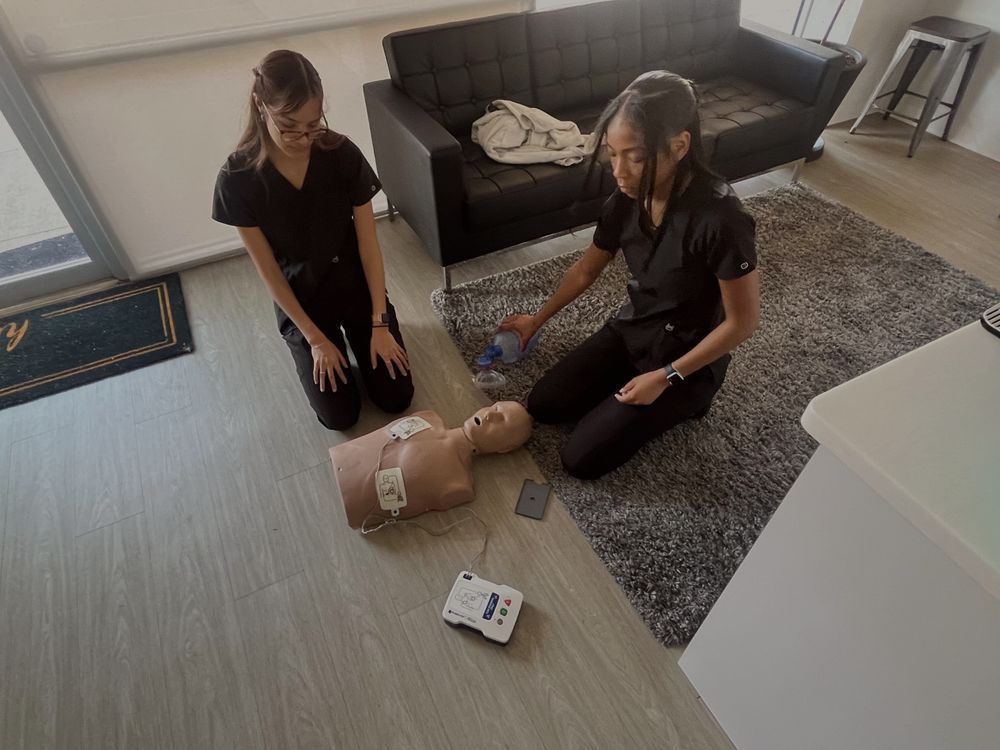
- Clinical skills labs where you practice phlebotomy, injections, EKGs, vitals, and other hands-on procedures
- Training with real medical equipment under instructor supervision
- Externship placement in a local medical office for supervised patient care experience
This hybrid structure gives you the convenience of online learning for knowledge-based content while ensuring you develop the physical clinical skills that employers require.
What Employers Think About Online Certification
Here’s the honest reality from the hiring side:
Employers value the certification, not the delivery method. A CCMA credential carries the same weight whether you prepared for it online, in-person, or through a hybrid program. The exam is the equalizer — everyone takes the same test.
But employers also value clinical confidence. In interviews, candidates who trained hands-on perform differently. They describe clinical procedures with specificity. They reference real patient interactions from their externship. They demonstrate the kind of confidence that only comes from having actually drawn blood, given injections, and worked in a functioning medical office.
The ideal candidate has both: a recognized certification AND documented hands-on clinical experience.
How the 18-Week Program at Tuscaloosa Medical Assistant School Compares
| Feature | Fully Online | Tuscaloosa Medical Assistant School | Community College |
|---|---|---|---|
| Schedule flexibility | High | High (nights/weekends) | Low (weekday classes) |
| Hands-on clinical training | None | Yes — real medical offices | Yes — campus labs |
| Externship | Rarely included | Included | Usually included |
| CCMA exam prep | Varies | Built into curriculum | Varies |
| Time to completion | Varies widely | 18 weeks | 12–24 months |
| Student loans | Varies | None — payment plans | Often required |
| Clinical confidence at graduation | Low | High | Moderate |
Making the Right Choice for Your Situation
Online-only training might work if:
- You already have clinical experience in healthcare (CNA, phlebotomy, etc.)
- You need maximum schedule flexibility and can arrange clinical practice elsewhere
- You understand that you’ll need to build clinical skills independently
A hybrid or in-person program is better if:
- You’re entering healthcare for the first time with no clinical background
- You want to graduate with both the certification AND the hands-on skills
- You want an externship that connects you to local employers
- You want to walk into interviews with real clinical experience to reference
For most students in Tuscaloosa — especially career changers and first-time healthcare workers — the hybrid approach delivers the strongest outcomes.
The Certification That Matters
Regardless of how you train, the credential employers care most about is the CCMA (Certified Clinical Medical Assistant) from the National Healthcareer Association. It tests clinical and administrative competency across the full scope of a medical assistant’s responsibilities.
The program at Tuscaloosa Medical Assistant School prepares you for the CCMA exam throughout all 18 weeks — not as a last-minute add-on, but as a core part of the curriculum. The exam fee is included in tuition.
Get Started
If you want the flexibility of online learning without sacrificing the clinical skills that get you hired, Tuscaloosa Medical Assistant School in Tuscaloosa offers a path that delivers both.
- See the full program: Program details
- Review tuition and payment plans: Tuition
- Talk to our team: Contact us
- Apply today: How to apply
You're only a few months from the medical assistant career you deserve.